
ARTICLES
Architecture That Shapes the Landscape: Kengo Kuma and the Memory of Nature
2025.08.20
INTERVIEW

Architect Kengo Kuma has pursued the theme of "topography" for many years, pioneering new horizons in the architectural world. For him, architecture is not merely a "form" but "topography" itself, resonating with the surrounding environment and nature. The exhibition "Kengo Kuma: Landscape Architecture - Hills, Mountains, Forests, Caves," currently being held at the Karuizawa New Art Museum, represents the culmination of his philosophy that has consistently pursued topography.
In this article, as part of the "ART × ARCHITECTURE" series exploring the possibilities of art and architecture, we delve into the works displayed at the exhibition venue to uncover the roots of his philosophy and his vision for the future of humanity.
Layered Wood Creating a Modern Cave in the City

Model of Odunpazari Modern Art Museum
Located in Eskişehir, a city in northwestern Turkey, the Odunpazari Modern Art Museum stands in an urban area that once housed a timber market. The defining feature of this contemporary art museum is its mystical, cave-like space created by layering wooden linear materials with slight offsets. Kuma explains that simply stacking wood would cause "the softness characteristic of caves to disappear." He discovered that by rotating and offsetting the wooden elements, he could create richness in texture and a sense of mystery.
This innovative approach was first developed when designing the Whitestone Gallery Taipei, which similarly features stacked wooden elements with offsets. Though different in scale, the same technique creates similar cave-like spaces within urban settings. This exemplifies his previously stated philosophy that "small architecture can influence large architecture."
Architecture That Resonates with the Forest, Fluttering Like Birds

Model of "Roof/Birds"
Nestled in the rich forests of Karuizawa overlooking Mount Asama stands the guesthouse "Roof/Birds." Upon visiting this forest, Kuma intuitively thought, "The architecture here should become a bird." True to its name, roofs that flutter as lightly as birds' wings are scattered throughout the forest, creating a deep resonance between architecture and nature.
"A forest becomes more of a forest through the presence of birds. I wanted to express that feeling through architecture."
For Kuma, architecture should not simply disappear but should emphasize being part of nature. He observes the behaviors of living creatures such as birds, insects, and fishes incorporating them into his architecture. This philosophy remains consistent even in the interior design of "Roof/Birds." When looking up at the roof from below, one can see the rational and beautiful framework supporting it, like the skeletal structure supporting a bird's wings. Whether viewed from above or looking up from within, the roof gently envelops the space, allowing visitors to feel at one with the forest.
Architecture That Becomes One with the Forest

Model of "Wind-Flowing Birch and Moss Forest <Chapel>"
Built to blend into a birch forest, "Wind-Flowing Birch and Moss Forest (Chapel)" features distinctive use of glass while distinctly different from conventional glass houses. While modernist architecture primarily aimed to showcase glass as an industrial material, Kuma's goal was architecture themed around the forest.
"I don't want to create a glass box; rather, I want to transform the forest itself into architecture," says Kuma. He created a structure where steel pillars were inserted inside the birch trees, the protagonists of the forest, so that internal columns and external trees together support the space. Glass merely plays a supporting role in connecting these relationships. If modernism symbolized the pinnacle of the industrial age, Kuma's architecture presents what should exist beyond industrialization in our contemporary era facing environmental challenges.
From Formative Experiences in Satoyama to Living with Nature Again

Kengo Kuma
Where does Kuma's deep affinity for nature that flows through his architecture come from? He points to his formative experiences during childhood in Yokohama. The satoyama (traditional rural landscape) behind his house was his ultimate playground.
"After coming home from school, I would climb the hill behind the house and walk along the unmarked paths of the satoyama, running freely through it. I was able to have such experiences."
It was a treasure trove of life where diverse creatures like insects, birds, and snakes which appeared with the changing seasons. The sense of living alongside them was nurtured in this satoyama. The caves scattered throughout the satoyama were also important places for him. Stepping into these spaces, frightening yet fascinating, gave him a sense that "you could enter a completely different mental state from the everyday world." Hills, mountains, forests, and caves—the memories of nature experienced through all his senses as a child have become the wellspring of his creativity.

Architecture That Merges with Nature
We asked Kuma, who has pursued architecture that coexists with nature, about the future path for humanity. He describes humanity's 200,000-year history as an "uphill journey." Civilization has evolved from hunting and gathering to settlement, urbanization, and increasing density and height, which has now come back to us in the form of environmental problems. Kuma says we have reached a turning point and must now go "downhill."
Returning bodies accustomed to artificial environments back to nature.What kind of architecture is needed for this? This is the question Kuma has posed to himself, and it represents the common awareness underlying all his works. His architecture shows a new landmark for future humanity to harmonize with nature once again. Kengo Kuma's exhibition exploring the relationship between nature and architecture is open at the Karuizawa New Art Museum until August 31st.
Exhibition Information
Venue
Karuizawa New Art Museum Exhibition Rooms 1 to 6 (2nd floor)
Museum Hours of Operation: 10:00-17:00
(Middle July to Middle September until Six O'clock pm)
*Last admission 30 minutes before closing
Museum Holidays
Every Monday (in the case of a holiday, the next day)
Temporary closures and openings
Year-end and New Year holidays: 2024/12/29- 2025/1/3 Winter closure: 2025
January Fifteenth to Twenty fourth *Open every day in August
Prices
Adults: 2,000 yen, High school and college students: 1,000 yen, Elementary and junior high school students: 500 yen
*For groups of 20 or more, a 200 yen discount on each of the admission fees listed above will be applied.
*Free for preschoolers and people with disabilities (half price for one accompanying person)
Contact
Karuizawa New Art Museum Exhibition Section
Tel. 0267-46-8691
RELATED ARTICLES
-
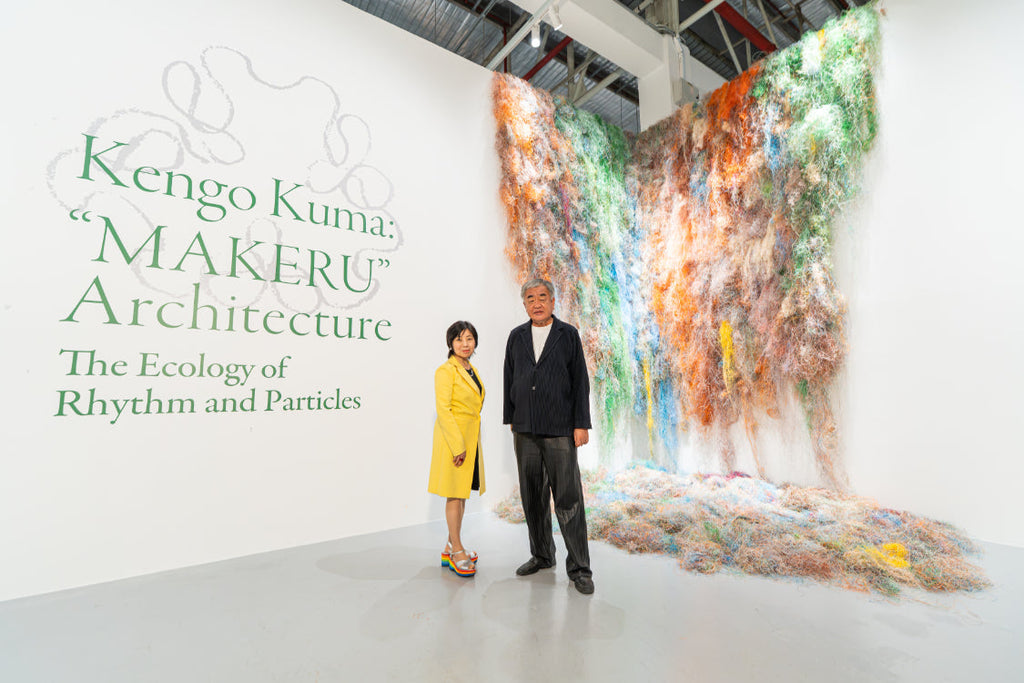
Yuko Hasegawa × Kengo Kuma Session Report: The Future of Architecture Driven by Nature, Sensibility, and Materials
2026.06.15
REPORT -
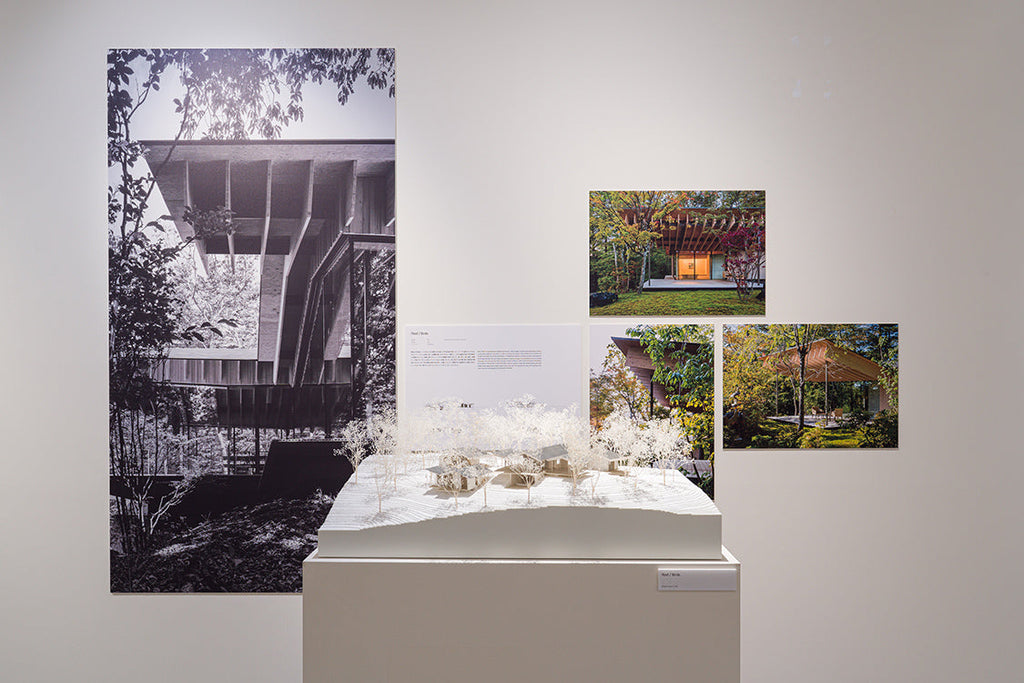
Kengo Kuma Explores the Fusion of "Topography" and "Architecture": Exhibition Report
2024.12.20
FEATURE -
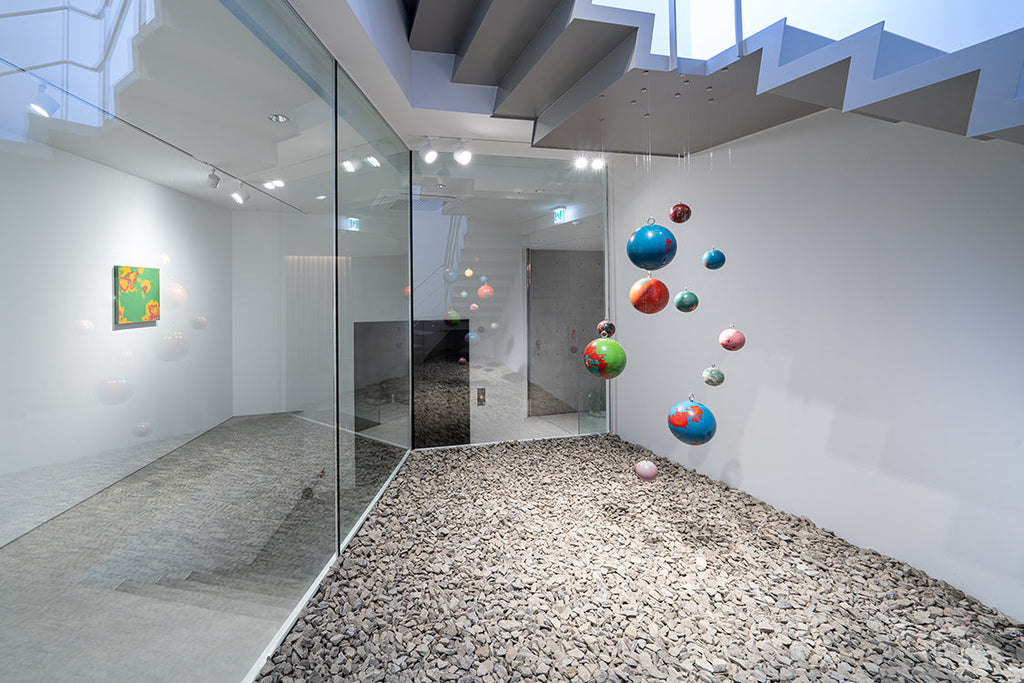
从细节设计空间|白石画廊 × 隈研吾的挑战
2024.10.25
FEATURE -
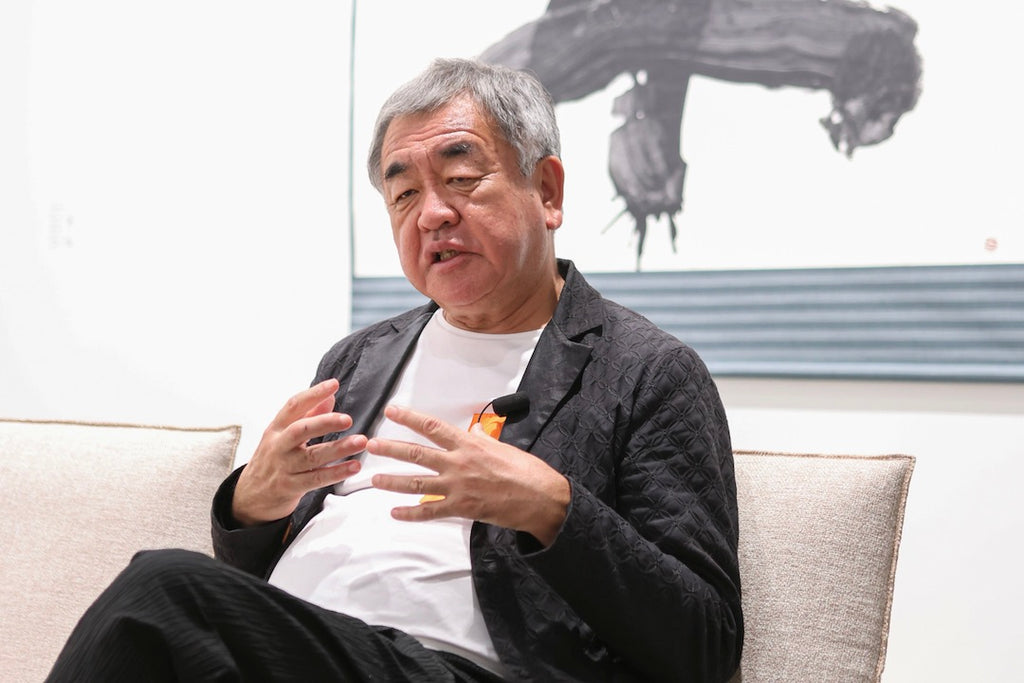
日常生活与艺术之间相互切换的导入体验|隈研吾专访
2024.05.10
INTERVIEW
ARTICLES CATEGORY

